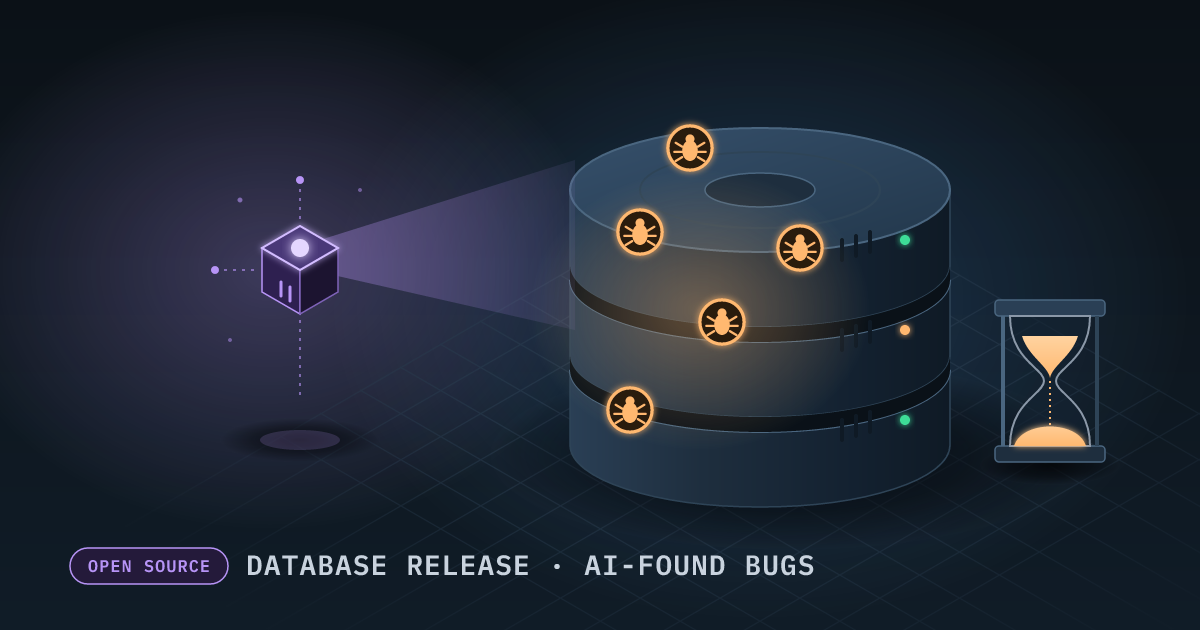
PostgreSQL major versions have shipped between mid-September and mid-October for the past ten years. PostgreSQL 19 will miss that window. In a post published on 30 October 2026, Robert Haas, a PostgreSQL committer and Sr. Staff Software Engineer at Databricks, explains why in one line: "The short answer is that LLMs happened."
The numbers. Haas compared the period from feature freeze (8 April) to 25 September in 2025 and 2026. Commits to the main branch fell slightly, but fixes back-patched to the release in progress rose from 724 to 1,169 (more than 60%), and back-patches to the previous stable branch rose from 248 to 433 (more than 74%). His reading: developers did not get sloppier — LLMs made it "vastly easier" to find old bugs, many people are reporting them, and committers spent their review time fixing them, including security issues in older branches.
Features pulled late. Between 27 August and 15 September the project reverted three major features: UPDATE/DELETE FOR PORTION OF, SQL Property Graph Queries (SQL/PGQ) and ALTER TABLE … MERGE PARTITION / SPLIT PARTITION. Haas says reverts this late are unusual. He adds that LLMs can draft fixes, but those fixes "aren't always correct or compliant with PostgreSQL standards", so humans still have to review them.
The new schedule. PostgreSQL 19 RC 1 came out on 15 October. The project plans RC 2 on 12 November 2026, on the same day as the next scheduled update release, and general availability on 19 November 2026 — unless an issue requires a further delay or another release candidate. Haas is relaxed about this delay, calling it a sign of the project's focus on quality. He is more worried about the long term: decades of bugs that LLMs can now find, and how the project keeps innovating while fixing them. "Every feature that we write from now until the end of our careers will be scrutinized by AI", he writes — "both a challenge and an opportunity".
Steve Jones of Voice of the DBA notes that SQL Server has also seen more bugs found lately, and expects more patches across all kinds of software as AI-driven bug hunting spreads.